3 February 2026
Sydney developer Fortis has secured a $148m first-mortgage construction facility from the Commonwealth Bank of Australia for a Sydney luxury apartment project dubbed Regency House, as banks continue to become more active in commercial real esate lending, Green Street News can reveal.
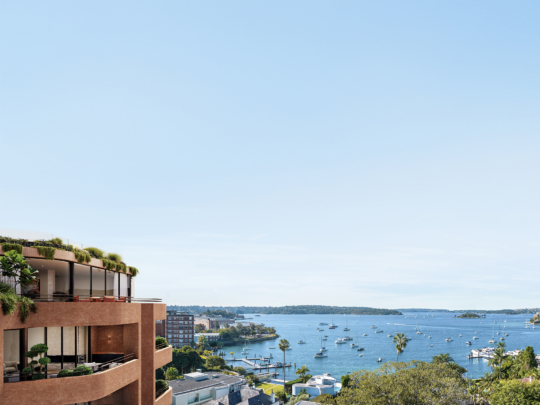
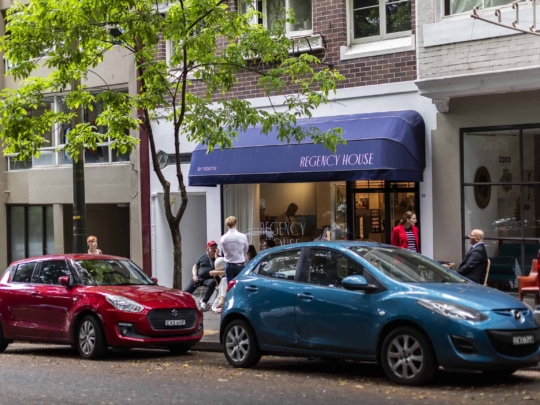
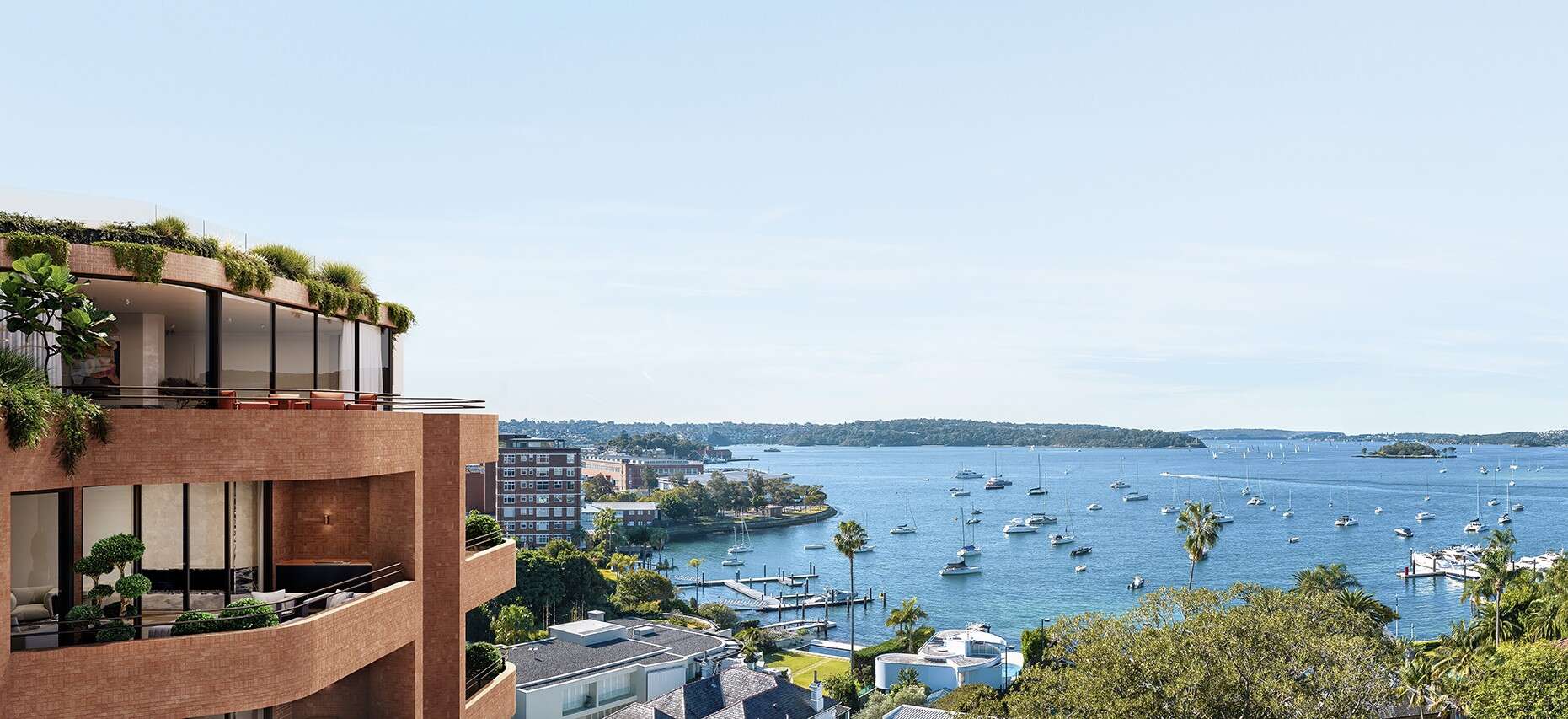
With demolition and early works completed, Fortis has broken ground on the $246m Regency House project at 21C Billyard Avenue in Elizabeth Bay. With builder Icon in tow, the boutique 20-unit project with views of Sydney Harbour is scheduled to complete towards the end of next year.
While the $200bn private lending industry continues to thrive, there are signs that banks are increasingly willing to return to and/or increase their activity in the commercial real estate financing scene.
“Over the past 12 months, we’ve seen [bank] positivity increase. I think what’s happening is there are probably very few projects getting off the ground … [with] good project sponsors or delivery teams and locations,” Fortis general manager of development Ed Eve told Green Street News.
“We’ve seen an uptick there, at least where we are today [compared with] 12 months ago.”
Before private lending dominated, banks offered real estate investors and developers lower financing rates and less risk. However, particularly over the last 10 years, banks retreated from commercial real estate lending amid tighter enforcement following the subprime crisis. APRA has also deepened its oversight following concerns of rushed and poorly underwritten residential development loans in the last boom.
But now, more banks are willing to lend, and Eve said that banks are also increasing the size of their lending capacities by about 5%.
“What we are seeing again though is compared to a year ago, the banks are probably providing an additional 5% leverage on what they would have, and reduced pricing as they compete for the more limited good opportunities,” he said.
Banks are looking for 30% to 40% presales from blue-chip developers prior to writing loans, with that rate rising to about 50% for lower-tier developers, he said. In more conservative times, banks have demanded 100% pre-sales.
For context, nimbler private lenders have offered loans with zero pre-sales.
Commercial property finance brokerage Stamford Capital’s Michael Hynes sees the same changes in bank lending.
Banks have always competed strongly for good deals to lend to even if they are not as active as private leaders, but since last year, they have become more active amid expectations that interest rate movements may stabilise, he said.
“Where I’ve actually seen them really bite with different appetite is in development … and my take of it is there has been political pressure for banks to lend given the housing crisis,” Hynes said.
“The banks are a lot more active and aggressive than they were 12 months ago.”