Salone del Mobile in Milan welcomed 316,342 visitors to its 2026 fair, drawing architects, designers and makers from around the world to explore innovation in furniture, lighting, materiality and spatial design. For Fortis, the week offered a clear view of where the industry is heading and how global shifts are shaping the way we design and experience the built environment.
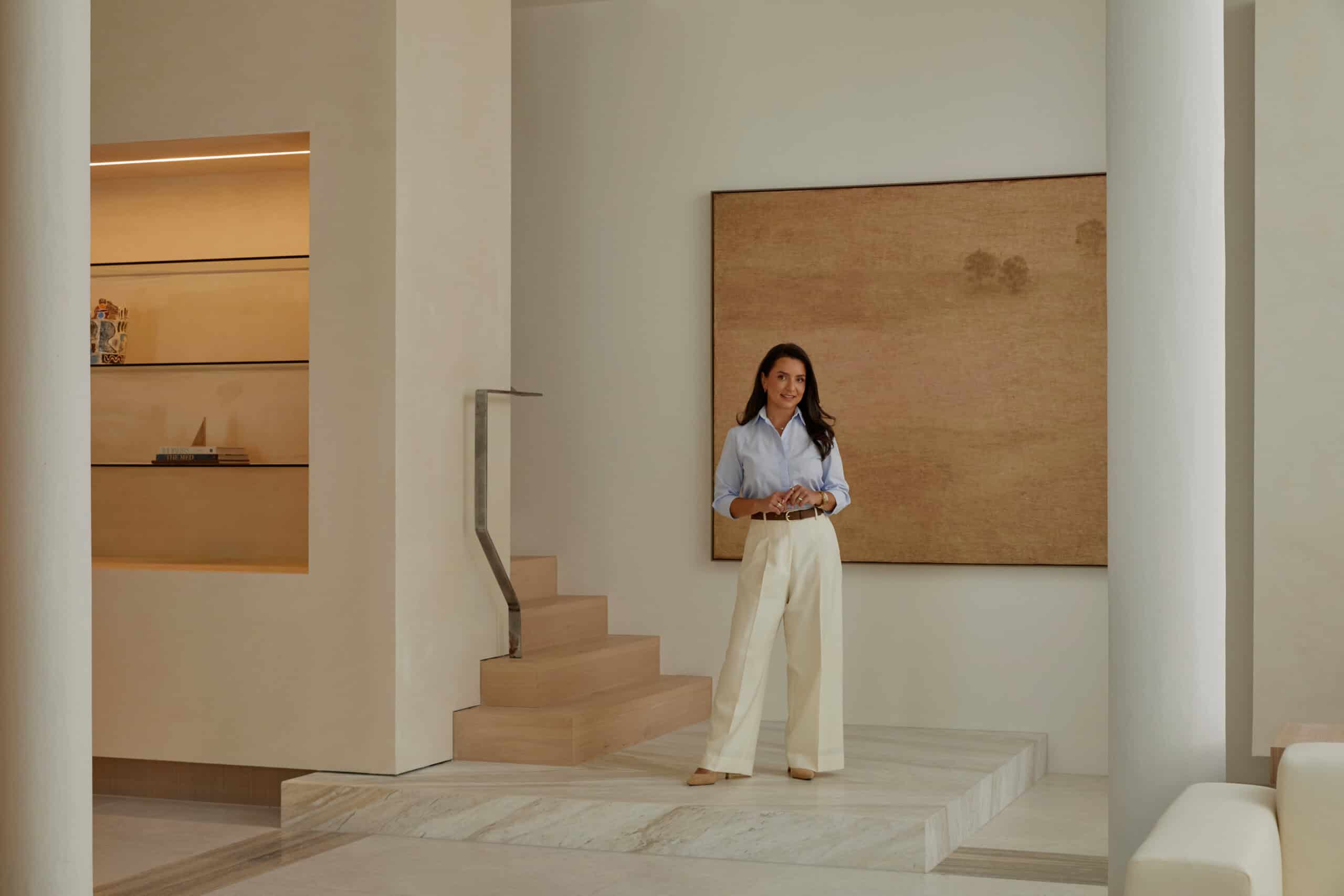
We sat down with Manuela Millan, Senior Design Manager in Melbourne, to reflect on design themes and how they translate into Fortis’ portfolio.
What are your top five takeaways from Salone del Mobile this year?
I simply want to acknowledge, there’s no where quite like Milan. The city is one of the best in the world and a masterclass in design. Inspiration starts the moment you step outside. The architecture, the grand foyers, the materiality of each building, the fashion, food, and rhythm of the city are all a constant source of ideas. One standout moment was dinner at Fondazione Prada hosted by Blum and The Local Project. The setting was as considered as the conversation, and that energy shaped how we experienced design all week.
With that as the backdrop, my five biggest takeaways:
- Sensory, immersive design is the real shift. This wasn’t a year about a single colour or silhouette—it was about how a space makes you feel. Scent, sound and texture were used as deliberately. Alcova was the clearest expression of this, and a real hub for material experimentation staged across atmospheric, almost theatrical venues where the buildings themselves became part of the experience. The most memorable presentations engaged every sense, not just the eye.
- Soft curves and natural materials. Hard geometry gave way to softer, more organic forms, paired with natural fabrics, leather and suede. Tacchini was a lovely example—furniture with soft, rounded corners that felt as good as it looked. Warmer, more tactile, more human.
- Lighting treated as jewellery. Light has become sculptural, a piece in its own right rather than a functional afterthought.
- Craftsmanship made visible. Joinery, stitching, finishing the making was celebrated rather than hidden. There’s a real return to honouring the hand behind the work.
- A material moment. Onyx and alabaster were everywhere, alongside permeable, see-through fabrics used as screens and dividers. Stone and textile both being used for atmosphere, not just surface.
Across the exhibitions, what did you notice about how designers are using light to shape mood and experience?
Light was one of the strongest themes of the week. The clearest shift is that lighting is now being designed like jewellery—sculptural, intentional, and often the emotional centrepiece of a room rather than a practical layer. Aesop’s Factory of Light captured this notion perfectly, turning light itself into the experience. Design houses including Bocci and Nilufar treated fixtures as collectable, sculptural objects.
Overall, designers used light to guide the eye, set tone and create intimacy. Warm, low and directional lighting was layered to make spaces feel calm and deliberate. It’s a move from lighting a room to composing one. For us, it’s a reminder that lighting belongs in the design conversation early. It carries a huge amount of the emotional weight in a space, and the best outcomes come when it’s considered from the start.
Many studios showcased work in residential settings rather than traditional showrooms. What did that reveal to you about how design should be experienced?
For me, this re-affirmed design is best understood in context, not on a plinth. Some of the most powerful moments of the week were inside actual homes. For example Fornasetti house, La Casa di Marmo, and the Artemide gallery presentations all showcased pieces within real rooms, with natural light and true proportion. This context allows us to understand a material or object in a completely different way—how it behaves, how it sits alongside other elements, and how it contributes to the overall rhythm of a space.
It also clarified that design is ultimately about the experience someone moves through, not the individual components. That’s why prototype apartments and considered display environments including The Gallery in Toorak matter. People need to feel a space, not just view it in isolation. When design is experienced in situ, its intent becomes intuitive, lived and understood.
Was there a moment where you thought, “Fortis is already doing this”?
Absolutely. Walking through many of the residential showcases, I kept thinking about The Gallery The whole industry is shifting, allowing people experience design in context rather than sell it across a showroom counter. This has been central to Fortis’ design values for years, and the reason why we created The Gallery—a permanent, considered display destination of our own. The same goes for our focus on natural materials and craftsmanship. The global conversation around honest materials, visible making and tactility is one Fortis has been having for a decade. It was reassuring to see how aligned our instincts already are with where the world’s best studios are heading.
You visited Milan, Carrara, Austria and Switzerland. What ideas from the trip do you see influencing Fortis projects over the next year?
The trip was really four lessons in one. Milan set the directional tone—sensory, tactile, material-led. But standing in the Carrara quarries genuinely changed how I think about stone. You can specify marble for years before you actually understand it—seeing the sheer magnitude of the place the scale, the geology, the cutting process completely reshapes the way you approach material selection. It’s made me appreciate finishes and quality materials on a different level, and I’ll be bringing that into how we select and use natural stone across our projects choosing materials for their story and character, not just their finish.
Austria added another layer. The Blum factory tour was a reminder that quality lives in the details you don’t see. The engineering inside the hardware and joinery we rely on each day underpins the trust people place in the Fortis name. And honestly, travelling like this only makes you appreciate home. Seeing craftsmanship celebrated abroad made me realise how lucky we are in Australia and how much extraordinary talent sits right here. Championing local makers and supporting that industry is something I care deeply about, and it’s a passion we’re committed to carrying through our work at Fortis.
Salone del Mobile 2026 reinforced the best spaces aren’t just designed, they’re felt. How is this shaping the way you think about creating atmosphere and emotional connection within future Fortis projects?
Therme Vals crystallised it for me. Peter Zumthor’s building is the purest reminder that architecture is felt before it’s understood—the light, stone, temperature, and silence all work together to move you. For us, it means considering atmosphere from the very first brief—how light falls, how a material feels underhand, how someone moves through and settles into a space. It’s why The Gallery and our prototype apartments at Richmond Square are so important. They allow people to experience that emotional quality directly rather than imagine it from drawings. You’ll see this thinking clearly in the projects we’re releasing next year. There’s a consistency in how the design carries through to the communal areas and wellness spaces, creating environments that support community and elevate everyday living. They’re beautiful, of course, but more importantly, they’re memorable to be in.